PMOS, formerly known as PCOS, and fertility

If you have PCOS / PMOS and are thinking about your fertility, it is understandable to have questions about ovulation, when to seek help and what treatment may be needed. Polycystic Ovary Syndrome (PCOS), now referred to as Polyendocrine Metabolic Ovarian Syndrome (PMOS), is a common hormonal and metabolic condition that can affect menstrual cycles, ovulation and fertility.


PMOS and fertility care
If you have PMOS and are thinking about having a baby, it is understandable to wonder whether you will have difficulty becoming pregnant.
For many women, PMOS does not mean that fertility treatment will automatically be needed. Some women conceive naturally, while others benefit from treatment to help restore or regulate ovulation.
What is PMOS?
PMOS is a complex condition involving the ovaries, hormones and metabolism. It was previously known as Polycystic Ovary Syndrome or PCOS. The updated name reflects that the condition involves more than the appearance of the ovaries.
Irregular or absent periods
Menstrual cycles may be long, unpredictable or absent.
Irregular ovulation
Ovulation may not happen regularly, which can affect opportunities to conceive.
Androgen hormones
Some women experience increased levels or effects of androgen hormones.
Skin and hair changes
Features can include acne or increased facial or body hair.
Weight and metabolism
Some women notice changes in weight or difficulty managing weight.
Difficulty becoming pregnant
PMOS can affect fertility, although not every woman will experience fertility problems.
Not everyone with PMOS will experience all of these features.
Ovulation and fertility
How can PMOS affect fertility?
One of the main ways PMOS can affect fertility is through irregular ovulation. Ovulation is the release of an egg from an ovary. If ovulation does not occur regularly, there may be fewer opportunities for an egg and sperm to meet.

Understanding your cycle
If you are trying to become pregnant, understanding your menstrual cycle and whether you are ovulating is an important part of fertility assessment.
Does having PMOS mean I will need IVF?
No. Having PMOS does not automatically mean that you will need IVF.
The appropriate treatment depends on why pregnancy is not occurring and whether there are any other fertility factors for you or your partner. For some women, the first step may be medication designed to encourage more regular ovulation. Other women may require additional fertility treatment, including IVF, depending on their individual circumstances.
The aim of an assessment is to understand the cause before deciding what treatment, if any, is needed.
When should I see a fertility specialist?
There is no need to wait a set amount of time if you already know that your periods are very irregular or absent, or if there are other reasons to be concerned about fertility.
A fertility assessment may be worthwhile if:
- Your periods are irregular, infrequent or have stopped
- You have PMOS and are unsure whether you are ovulating regularly
- You have been trying to conceive without success
- You would like to understand how PMOS may affect fertility or what investigations may be useful
- There may be other fertility factors affecting you or your partner
As a general guide, women under 35 with regular periods can seek fertility assessment after 8-12 months of trying to conceive, while women over 35 may consider assessment after six months. Earlier assessment may be appropriate where menstrual cycles are irregular or another fertility concern is already known.
What happens during a PMOS fertility assessment?
The first step is understanding what is happening for you rather than assuming that every woman with PMOS needs the same treatment.
Karen will take a detailed medical and reproductive history and discuss your menstrual cycles, previous diagnoses, general health and how long you have been trying to conceive.
Once the relevant information is available, Karen can explain the findings and talk through what the next steps might be.
Depending on your circumstances, fertility assessment may include:
- Blood tests
- Ultrasound
- Assessment of ovulation
- Review of your menstrual cycles
- Consideration of other possible fertility factors
- Semen analysis for your partner where appropriate

What fertility treatment may be available with PMOS?
Treatment depends on your individual circumstances.
General and metabolic health
Measures to support general and metabolic health may form part of your care.
Ovulation medication
Medication may be used to help induce ovulation where appropriate.
Ovulation monitoring
Monitoring ovulation and timing intercourse may be recommended.
Other fertility treatment
Other fertility treatment may be considered depending on your circumstances.
IVF
IVF may be considered when clinically indicated.
Not everyone will need every step. Karen will explain which options are relevant to you, what they involve and why they may or may not be recommended.
PMOS, fertility and pregnancy
PMOS, metabolic health and fertility
PMOS is a metabolic as well as reproductive condition. For some women, measures that support metabolic health can also help improve ovulation and overall wellbeing.
Karen will consider your general health, menstrual cycle, fertility history and individual circumstances when discussing whether any changes or treatment may be useful.

What happens if I become pregnant?
Most women with PMOS who become pregnant go on to have a baby. PMOS can, however, be associated with an increased chance of some pregnancy complications, including gestational diabetes and high blood pressure.
Your individual health and pregnancy circumstances will help inform if any extra monitoring may be recommended in pregnancy.

From fertility care to pregnancy
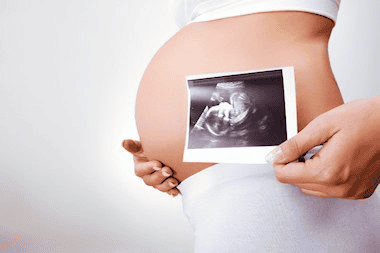
For some women, becoming pregnant is the end of a long fertility process and the beginning of a new set of questions.
A consultation with Karen
Investigate first, then discuss the options
Fertility appointments are designed to give you time to explain what has been happening and ask the questions that matter to you.
Karen's approach is to investigate first, explain the findings clearly and then discuss the available options with you. The aim is for you to understand what is known, what may still need investigating and what your choices are before deciding on the next step.
Make an appointment
Karen consults at 145 Victoria Parade, Fitzroy VIC 3065. To discuss PMOS, irregular ovulation or fertility, book online or contact Karen's rooms. Please bring your GP referral and any relevant blood tests, ultrasound reports or previous fertility investigations.